
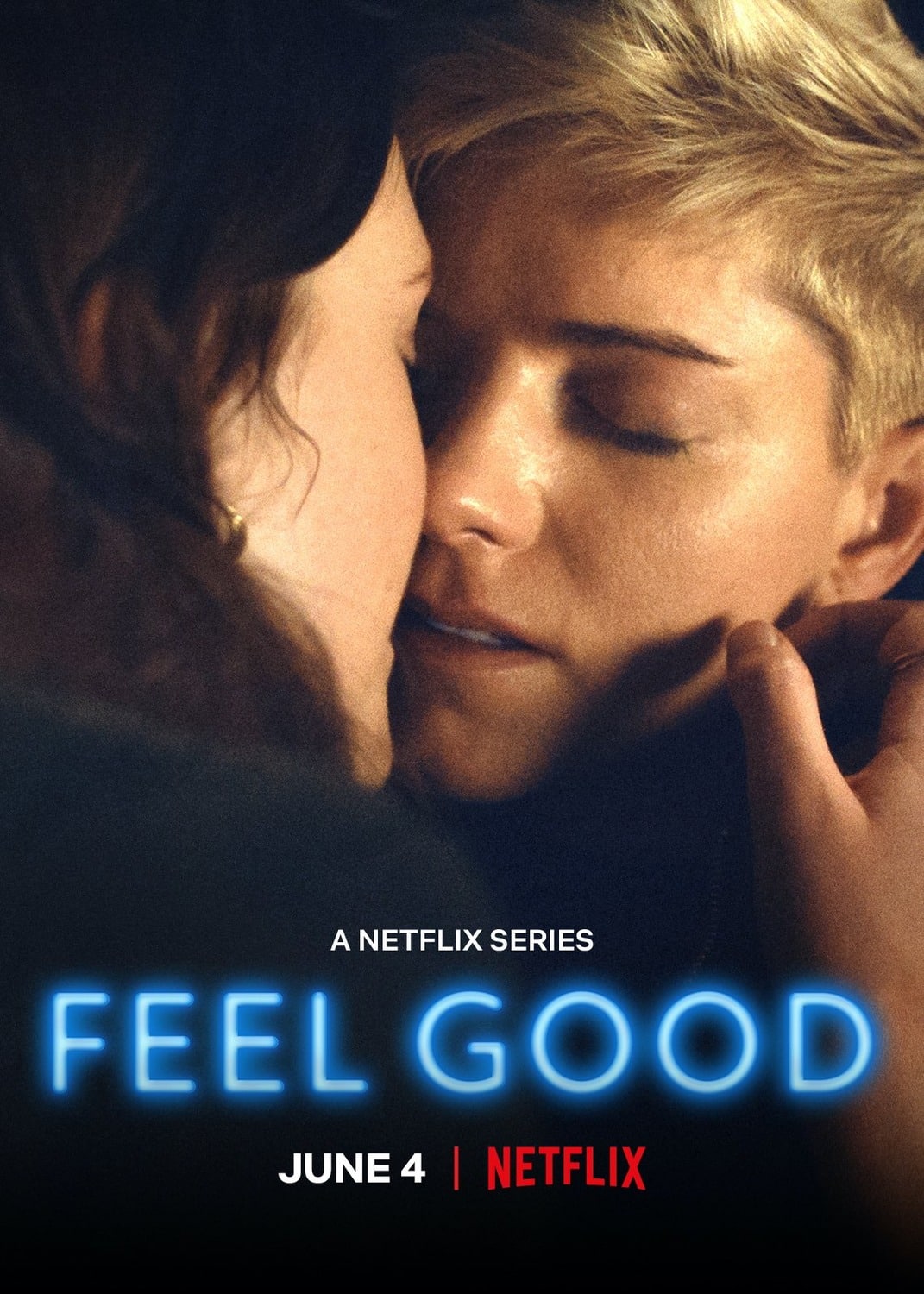
Hello, everyone! How are you doing? Today, I’m excited to share my thoughts on the series Feel Good, which has gained recognition as one of the most celebrated LGBTQ+ comedy-dramas on Netflix.
Advertisements
Launched on Netflix on March 19, 2020, Feel Good comprises two seasons with a total of 12 episodes, each lasting around 25 minutes. The show is created by Mae Martin and Joe Hampson and features Mae Martin portraying a fictionalized version of themselves, alongside Charlotte Ritchie and Lisa Kudrow in notable supporting roles.
The narrative revolves around Mae, a Canadian stand-up comedian residing in Manchester, who is navigating her journey through sobriety, gender identity, and a passionate relationship with George, an English woman who previously identified as heterosexual. What sets Feel Good apart is its ability to blend humor with poignant themes of addiction, sexuality, and self-discovery, crafting a story that feels both deeply personal and broadly relatable.
Mae Martin: A Journey of Comedy, Vulnerability, and Self-Discovery
Mae Martin gives an exceptional performance as a fictionalized version of themselves, presenting a character grappling with recovery from addiction and issues of gender identity. As a comedian in recovery, Mae strives to manage the addictive tendencies and intense romanticism that influence every aspect of their life. Martin’s portrayal is both honest and raw, confronting the complicated realities of recovery and relationships head-on.
The depth of Mae’s character arc is enhanced by Martin’s integration of their real-life experiences into the storyline. The series delves into Mae’s exploration of gender identity and pronouns, their connection to their body, and the hurdles of sustaining sobriety while pursuing both comedy and love. Martin’s background in comedy adds a natural humor that feels genuine and closely tied to the emotional essence of the show.
Charlotte Ritchie: George’s Path of Sexual and Emotional Growth
Charlotte Ritchie provides a nuanced performance as George, a repressed middle-class English woman who encounters Mae at a comedy club and begins to question her self-perception. George’s character embodies the intricacies of sexual fluidity and the bravery required to accept unexpected love.
Ritchie skillfully captures George’s internal conflict between societal norms and personal longings. The chemistry between her and Mae Martin ignites a relationship filled with passion and authenticity. George’s evolution from never having questioned her heterosexuality to being open to her feelings for Mae is portrayed with sensitivity and realism.
Lisa Kudrow: The Complexity of Maternal Relationships
Lisa Kudrow infuses her signature humor along with unexpected dramatic depth into the role of Linda, Mae’s mother. The creators intentionally chose Kudrow for her