
Exploring the Cultural Depth of Shōgun on FX/Hulu
Greetings, everyone! Today, we’re diving into the captivating drama Shōgun, a series that not only visually captivates but also stands out as one of television’s most authentic representations of feudal Japan. This adaptation honors the intricacies of its source material while simultaneously elevating Japanese culture with a level of respect and artistry rarely seen in mainstream media.
Advertisements
Shōgun made its debut on February 27, 2024, on FX and Hulu, comprising 10 episodes, each running around 60 minutes. This limited series, based on the celebrated novel by James Clavell, deviates significantly from previous adaptations by focusing on authentic Japanese narratives, predominantly featuring Japanese dialogue alongside subtitles. Co-created by Rachel Kondo and Justin Marks, the show stars Hiroyuki Sanada, Anna Sawai, and Cosmo Jarvis, unfolding a gripping tale set in 1600 Japan at the beginning of the Tokugawa period.
Shōgun transcends the realm of typical historical dramas; it serves as an exemplar of cultural authenticity that portrays its Japanese characters with depth and nuance, steering clear of reductive stereotypes. By weaving together themes of political intrigue, personal honor, and the complexities of cross-cultural interactions, the series not only entertains but also acts as a bridge, allowing Western audiences to appreciate the sophistication and richness of Japanese feudal society.
Conflict and Honor: The Essence of Feudal Japan
The narrative arc of Shōgun revolves around Lord Yoshii Toranaga, a character immersed in the struggle for survival against a Council of Regents determined to thwart him. As English sailor John Blackthorne arrives aboard a Dutch vessel, his insights into naval warfare and European politics become pivotal to Toranaga’s quest for dominance. This tale delves into themes of loyalty, sacrifice, and contrasting value systems during one of Japan’s most transformative historical epochs.
The political narrative unfolds across multiple dimensions, encompassing grand strategies of unification to the intimate relationships that ultimately dictate survival. The series excels at illustrating how personal decisions reverberate through the intricate web of feudal obligations, generating tension that resonates with both historical significance and modern relatability. Characters grapple with profound dilemmas bridging individual desires and societal duties, imbuing the drama with moral complexities that elevate the storytelling beyond mere adventure.
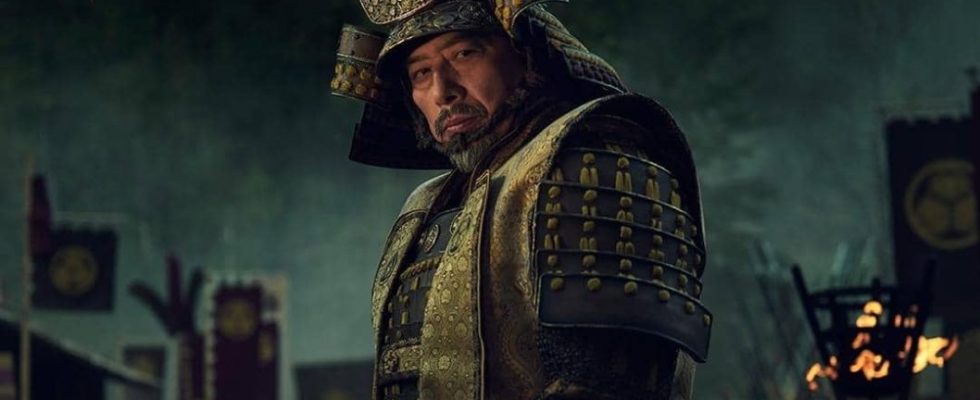
Masterful Portrayal: Hiroyuki Sanada as Lord Yoshii Toranaga
Delivering a performance that could define his career, Hiroyuki Sanada embodies Lord Yoshii Toranaga with striking depth. Drawing from his extensive experience, Sanada portrays a character who masterfully navigates the treacherous waters of feudal Japan’s political realm, balancing shrewd intellect with deadly resolve. His portrayal garnered him an Emmy nomination and critical acclaim, as he convincingly showcases both the public facade and the private vulnerabilities of a man bearing immense national burdens.
Each episode unveils fresh layers of Toranaga, depicting a leader whose compassionate decisions often clash with necessary ruthlessness. Sanada’s performance illustrates the intricate dance of power, where Toranaga continuously reassesses his identity in response to varying audiences. This role epitomizes the culmination of Sanada’s extensive career, bestowing upon him a character that truly reflects his vast talent and cultural insight.
Anna Sawai’s Remarkable Performance as Toda Mariko
In a gripping portrayal, Anna Sawai shines as Toda Mariko, a noblewoman torn between her obligations to her lord and her burgeoning feelings for the foreign sailor Blackthorne. Sawai’s exceptional performance earned her an Emmy for Outstanding Lead Actress, marking a historic win as the first Japanese actress to be honored in this category. She brilliantly captures the internal struggles of a woman maneuvering through impossible dilemmas while upholding her honor and safeguarding her loved ones.
Mariko’s narrative arc serves as a poignant exploration of women’s influence within the stringent confines of feudal customs. Through her character, Sawai illustrates the subtleties of power, utilizing wit, linguistic prowess, and emotional acumen to sway events, all while appearing to adhere to societal expectations. Her relationship with Blackthorne acts as the emotional cornerstone of the series, highlighting the beauty and tragedy birthed from cultural divides.
Climactic Tensions: The Weight of Sacrifice
As the series progresses toward its climactic moments, it showcases the full extent of Toranaga’s strategic brilliance, with all his carefully devised plans converging. Without revealing specific spoilers, the finale poignantly illustrates how personal sacrifices can reshape nations, with characters confronting their ultimate tests of loyalty and courage. The resolution honors both the historical context and the individual journeys of each character, culminating in an emotionally resonant conclusion.
The series’ ending is successful because it recognizes that satisfying conclusions emerge organically from character development rather than mere plot mechanics. Each death carries significance, every triumph exacts a toll, and each resolution raises new inquiries about the implications of power and the essence of honor. The finale not only wraps up the current narrative arc but also lays the groundwork for future installments.
A Tapestry of Characters: Complexities of Honor and Ambition
Shōgun garners praise for its outstanding supporting performances, including Tadanobu Asano as Kashigi Yabushige, Takehiro Hira as Ishido Kazunari, and Moeka Hoshi as Usami Fuji. Each supporting figure contributes unique motivations and cultural viewpoints, enriching the depiction of feudal Japanese society. The series consciously avoids Western stereotypes, instead opting to provide a nuanced narrative of a transforming society.
The supporting cast particularly shines in portraying the diverse responses of characters within a rigid social framework. Some characters find liberation within tradition, while others push against limitations, illustrating how honor and survival often entail making impossible choices. Each character feels genuine to the era while remaining emotionally relatable to modern viewers.
A Landmark Success on FX/Hulu
Shōgun has experienced remarkable success, garnering 25 Emmy nominations and securing 18 awards, including Outstanding Drama Series. Notably, it became the first non-English-language series to clinch the top drama award, setting various Emmy records in the process. This achievement underscores a growing audience appetite for authentic international storytelling, validating that high-quality subtitled content can resonate widely when it meets ambitious creative standards.
Why You Should Watch This Historical Masterpiece
For fans of epic historical narratives that blend political intrigue with genuine cultural portrayal, Shōgun is an unmissable watch on FX and Hulu. This series transcends mere entertainment; it stands as a cultural bridge, illustrating how powerful storytelling can overcome language barriers and foster a deeper understanding between vastly different worlds.
Redefining the Historical Drama Landscape
Ultimately, Shōgun triumphs by addressing its subject matter with sincere respect and cultural authenticity while maintaining gripping dramatic tension and emotional relatability. By emphasizing Japanese narratives and voices, the series offers a portrayal that feels both historically grounded and remarkably contemporary. It is not only aesthetically beautiful and engaging; it is essential viewing for anyone seeking to broaden their understanding of diverse cultures and historical contexts.
Quick Facts about the Series
Number of Episodes: 10 episodes (Season 1, renewed for Seasons 2 and 3) Platform: FX/Hulu Release Year: 2024 Current IMDb Rating: 8.7/10 Genre: Historical Drama/Political Thriller Status: Currently airing, renewed through Season 3 Protagonists: Hiroyuki Sanada (Lord Yoshii Toranaga), Anna Sawai (Toda Mariko) Antagonist: The Council of Regents and the intricate web of feudal politics