
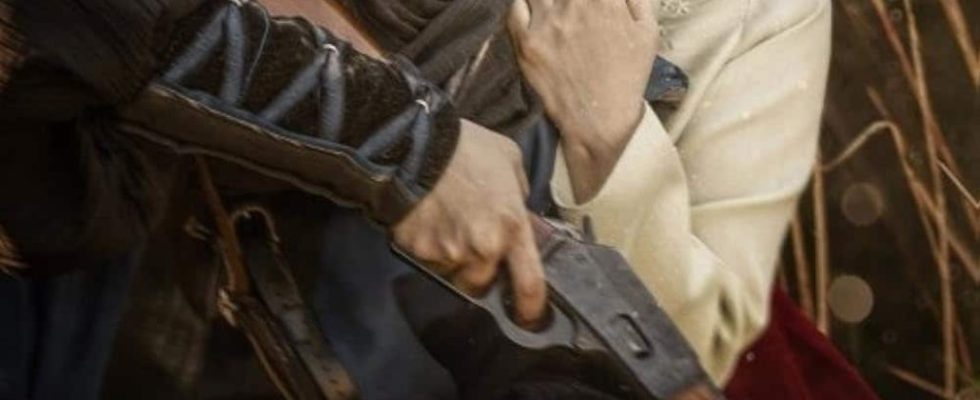
Greetings! Today, I’m diving into the drama The Joseon Gunman (also known as Gunman in Joseon). This series blends historical action, political tension, and forbidden romance, featuring Korea’s last swordsman who trades his blade for a Western rifle to seek justice.
Advertisements
Aired on KBS2 from June 25 to September 4, 2014, The Joseon Gunman consists of 22 episodes, each lasting about 60 minutes, airing Wednesdays and Thursdays at 21:55 KST. The story unfolds in 1876, during Emperor Gojong’s reign, amidst Korea’s swift modernization. This historical drama portrays the conflict between the conservative Sugu faction and the progressive Kaehwa enlightenment faction. The series artfully mixes history, revenge, and romance, showcasing one of Lee Jun-ki’s most physically and emotionally intricate performances.
One standout quality of The Joseon Gunman is its metaphorical representation of Korea’s evolution from traditional to modern warfare. The transition from swords to guns serves as a backdrop for the nation’s struggle between preserving heritage and adapting to Western influences. The show confronts the harsh realities of political turmoil while delivering impressive action sequences that depict both traditional martial arts and Western gunfighting styles.
A Fall from Grace: The Swordsman’s Journey
Park Yoon-kang is the secret son of Joseon’s renowned swordsman, Park Jin-han, who is also a chief merchant of the royal court. Despite his illegitimacy, Yoon-kang enjoys a life of privilege and receives top-notch sword training. His world crumbles when his father is falsely accused of treason and executed, leading to the tragic death of his sister, Yeon-ha, who attempts to rescue him.
The narrative effectively illustrates how swiftly privilege can turn into persecution amid shifting political landscapes. Yoon-kang’s transformation from a sheltered nobleman to a fugitive seeking revenge reflects a deeper understanding of the systemic corruption that devastates innocent lives for political power. His choice to forsake the sword that failed him and adopt the Western rifle symbolizes both his personal growth and Korea’s national shift.
Park Yoon-kang: The Last Swordsman Transformed
In his portrayal of Park Yoon-kang, Lee Jun-ki delivers a remarkable performance, combining exceptional martial arts and newly acquired gunfighting skills. His character embodies the contrast between aristocratic upbringing and the grim reality of a fugitive bent on avenging his family.
Yoon-kang’s internal struggle, depicted by Lee Jun-ki, reveals the conflict between noble ideals and the harsh necessity of violence in pursuit of justice. The performance encapsulates both his grief and relentless determination to shield others from suffering. Yoon-kang’s evolution from an idealistic young noble to a steely gunman is both uplifting and tragic.
Jung Soo-in: Torn Between Love and Loyalty
Nam Sang-mi enriches the role of Jung Soo-in, the daughter of a influential merchant. She grapples with her deepening love for Yoon-kang and the expectations of her family. Her character represents the enlightened women of her time, who possessed more autonomy compared to previous generations but still faced significant societal constraints.
The relationship between Soo-in and Yoon-kang serves as the emotional heart of the series. It highlights the bond between two individuals from different social standings, united by their shared quest for justice. Nam Sang-mi skillfully portrays Soo-in’s inner turmoil as she navigates her desire to aid Yoon-kang while fearing for his safety amid his vengeful journey. Their connection provides tender moments amidst the surrounding chaos.
The Power of Firearms: A New Era
The series’ most symbolic scenes emerge as Yoon-kang fully embraces the use of Western firearms. His newfound skills not only shield the innocent but also uncover political corruption. This transformation from a traditional swordsman to a modern gunfighter reflects Korea’s larger challenge of adapting to Western innovations while retaining cultural integrity.
The potency of the action sequences lies in illustrating that technological advancement must be met with wisdom, bravery, and ethical principles to serve justice and not oppression. Yoon-kang’s confrontations evolve into more than personal vendettas; they become representative battles for Korea’s destiny.
KBS2’s Success Story
The Joseon Gunman found success on KBS2, celebrated for its stunning action scenes and Lee Jun-ki’s dedicated performance, which involved rigorous martial arts and horseback riding practice. This series showed that historical dramas could integrate Western elements while preserving Korean essence. Audiences appreciated its exploration of Korea’s modernization, making The Joseon Gunman both entertaining and informative about this significant historical era.
An Unforgettable Historical Action Tale
Fans of historical action dramas filled with political intrigue and romance will find The Joseon Gunman irresistible. This series provides thrilling martial arts moments combined with genuine emotional depth, resulting in a viewing experience that is both exhilarating and enlightening.
Why You Shouldn’t Miss This Story
The Joseon Gunman excels by utilizing its historical framework to delve into enduring themes of justice, progress, and the sacrifices made to protect loved ones. The series demonstrates that the most impactful period dramas are those that leverage the past to shed light on contemporary issues, making it essential viewing for anyone who appreciates sophisticated storytelling intertwined with impressive action.
Series Overview
Number of Episodes: 22 episodes
Available On: KBS2, Viki, Prime Video, Apple TV, Kocowa
Air Dates: 2014 (June 25 – September 4)
Current IMDb Score: 6.9/10
Genres: Action, Historical Drama, Romance, Political Thriller
Production Type: K-drama (South Korean historical action series)
Status: Completed
Main Cast: Lee Jun-ki (Park Yoon-kang), Nam Sang-mi (Jung Soo-in)
Key Villains: Yu Oh-seong (Choi Won-shin), Han Joo-wan (Kim Ho-kyung), various corrupt political figures